
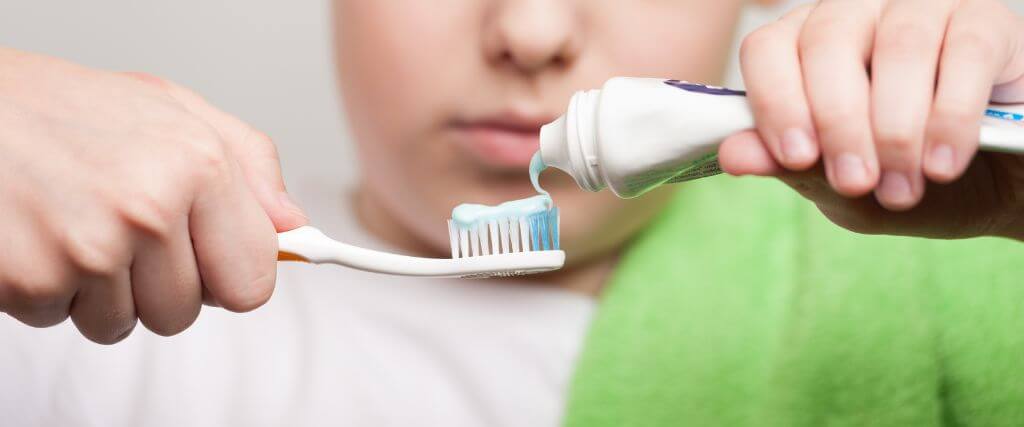
Brushing your teeth is one of the simplest and most important habits for maintaining a healthy smile. Most people brush every day, but technique and consistency matter just as much as frequency. Small mistakes in your routine can reduce how effective brushing is and, over time, may contribute to dental problems. The good news is that these issues are easy to fix once you know what to look for.
Rushing Through Brushing Your Teeth
It’s easy to treat brushing as a quick task, especially during busy mornings or late nights. However, brushing too quickly often means missing key areas where plaque tends to build up, such as along the gumline and between teeth. Even if your teeth feel clean, plaque can still be left behind.
Taking your time makes a meaningful difference. Brushing for a full two minutes allows you to clean all surfaces of your teeth evenly. One widely accepted guideline is to divide your mouth into four sections and spend about 30 seconds on each. This simple adjustment can improve how thoroughly you clean your teeth without adding much time to your routine.
Using the Wrong Toothbrush or Bristles
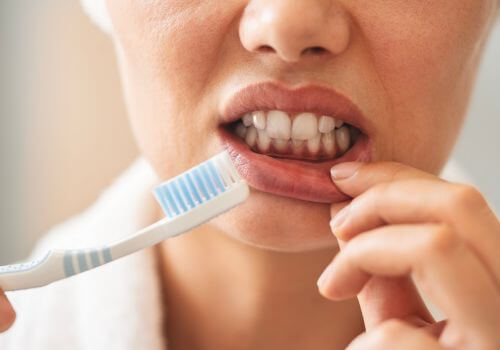
Choosing the right toothbrush plays a bigger role than many people realize. A common misconception is that harder bristles clean better. In reality, hard-bristled brushes can be too abrasive for everyday use and may contribute to gum irritation or enamel wear over time.
Soft-bristled toothbrushes are typically recommended because they are effective at removing plaque while being gentle on teeth and gums. They also allow for better flexibility, helping the bristles reach along the gumline where plaque tends to accumulate.
What to Look for in a Toothbrush
- Soft bristles for gentle, effective cleaning
- A head size that comfortably fits all areas of your mouth
- A handle that provides a secure, comfortable grip
- ADA-accepted products when available
Brushing Too Hard or Too Aggressively
It might feel like applying more pressure leads to a better clean, but brushing too hard can actually do more harm than good. Excessive force can irritate your gums and gradually wear down the protective enamel on your teeth.
A gentler approach is more effective and safer. Use light pressure and small, circular motions rather than aggressive scrubbing. If you notice your toothbrush bristles flattening quickly, that may be a sign you’re brushing too hard. Switching to a lighter touch can help protect your gums and enamel while still keeping your teeth clean.
Forgetting to Clean Your Tongue and Gumline
Brushing your teeth alone doesn’t clean your entire mouth. Bacteria also accumulate on the tongue and along the gumline, contributing to bad breath and other oral health concerns. Skipping these areas means your oral hygiene routine may be incomplete.
Gently brushing your tongue or using a tongue scraper can help remove buildup and leave your mouth feeling fresher. Paying attention to the gumline is just as important. Angling your toothbrush slightly toward the gums helps remove plaque that collects where teeth and gums meet.
Not Replacing Your Toothbrush Often Enough
Toothbrushes don’t last forever. Over time, bristles become frayed and less effective at removing plaque. Continuing to use a worn toothbrush can make your daily routine less efficient, even if your technique is good.
As a general guideline, you should replace your toothbrush every three to four months, or sooner if the bristles appear worn. This recommendation is supported by the American Dental Association, which notes that frayed bristles do not clean teeth as effectively. Keeping a fresh toothbrush on hand ensures you’re getting the most out of your brushing routine.
Building a More Effective Brushing Routine
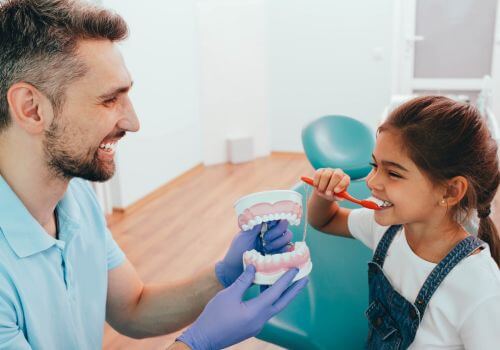
Improving your brushing habits doesn’t require a complete overhaul. Small, consistent changes can make a noticeable difference in your oral health over time. Focusing on technique, timing, and the right tools can help you get better results from something you already do every day.
If you’re unsure whether your brushing technique is effective, your dental team can provide personalized guidance. Regular dental visits also help catch early signs of issues before they become more serious, making your at-home care even more valuable.
Quick Tips for Better Brushing
- Brush twice a day for two minutes each time
- Use gentle, circular motions instead of scrubbing
- Choose a soft-bristled toothbrush
- Don’t forget your tongue and gumline
- Replace your toothbrush every three to four months
By making a few thoughtful adjustments, you can turn a routine habit into a more effective part of your overall health care. A consistent, well-executed brushing routine supports healthier teeth, stronger gums, and a more confident smile.
If you have questions, we would love to answer them for you. Please give us a call at the office at (805) 499-7676, or you can email us at [email protected]. Our staff would love to talk with you!
Don't forget to follow us on social media Facebook, Instagram.